Dumbphone? History, evolution and the role of minimalist technology
In a world saturated with notifications, bright screens, and endless apps, a digital countercurrent has emerged: the return (or rather, the resurgence) of dumbphones , those simple, basic phones free of unnecessary distractions. But to understand why they've become the preferred alternative for many, it's helpful to look back and see how they've evolved.

1. The origins: the “dumb telephones” of yesteryear
The word "dumbphone" isn't an insult, but a perfect description: these are "dumb" devices in the sense that they aren't smart, but rather simple. Many early mobile phones fall into this category, not due to a lack of sophistication, but by design: they were made for the essentials.
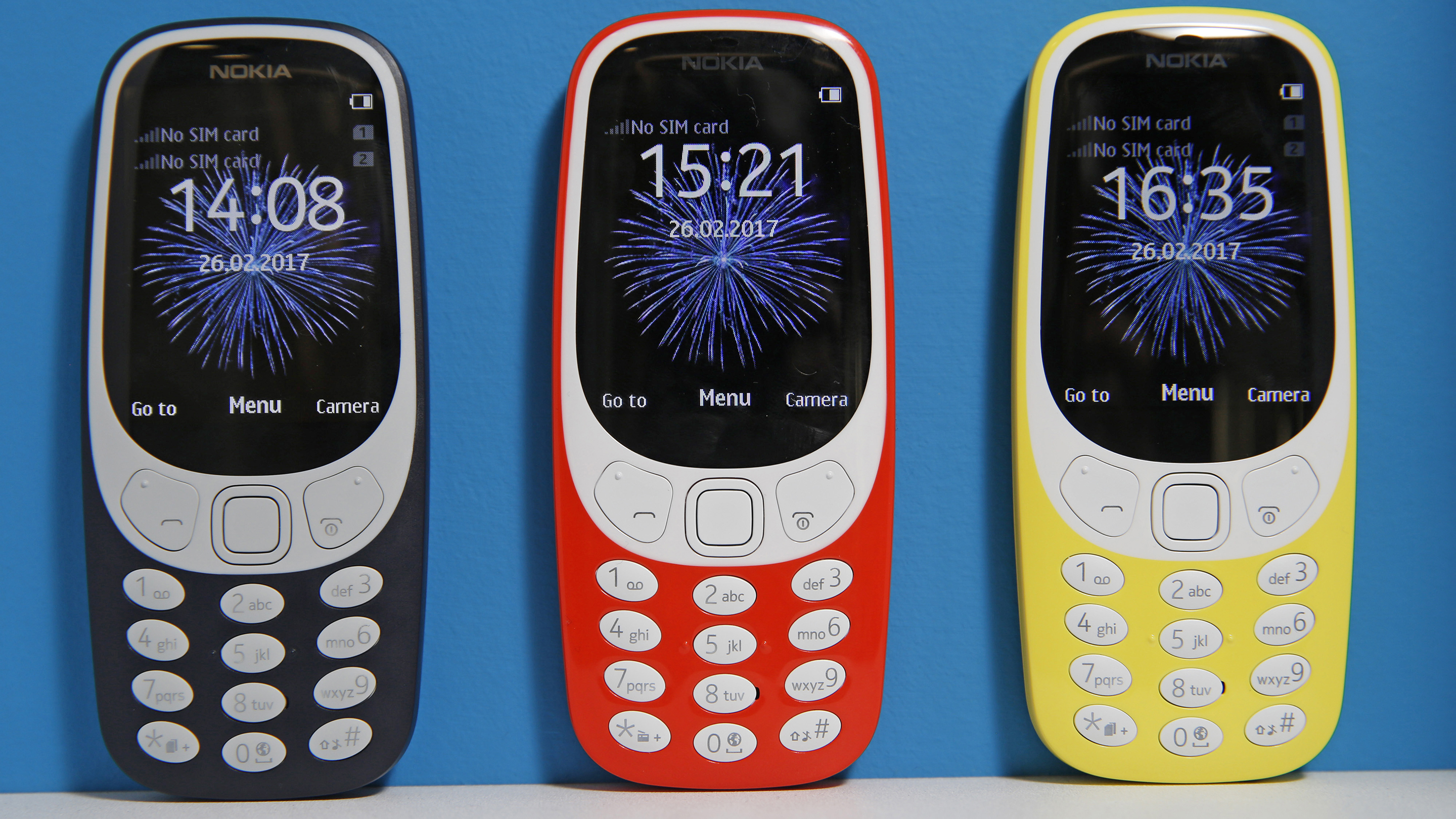
For example, classic models like the Nokia 6310 date back to the early 2000s and were considered reliable, robust and durable, with long-lasting batteries and a simple interface.
Even earlier, bulkier devices like the Nokia Talkman 510 already represented that essence of the phone as a communication tool, not as an entertainment center.
These early models did not aspire to be multimedia centers: their basic function —making calls, receiving SMS— was sufficient for many users.
Older Nokia models
2. The rise of the smartphone and the decline of dumbphones
With the arrival of the iPhone in 2007 and the smartphone boom, dumbphones lost their prominence. Apps, touchscreens, constant internet access… all of that radically transformed people's relationship with their phones.
But not everything disappeared, nor did all users suddenly switch to the "smart" model. In specific markets (and for very specific needs), basic phones remained relevant.
3. A renaissance: why are dumbphones making a comeback?
In recent years, dumbphones have experienced a clear resurgence. This recovery is not accidental, but connected to broader trends:
-
Digital disconnection and fatigue : Many users feel that their smartphones control them, rather than the other way around. Constant use, sensor overload, and notification addiction have sparked interest in more understated devices.
-
Minimalism and well-being : The dumbphone represents digital simplicity. By being reduced to the essentials, it offers a healthier and less addictive experience.
-
Market in recovery : According to recent articles, demand for these basic devices is increasing.
-
New design aesthetic : They're no longer just cheap or outdated phones. Contemporary brands are manufacturing them with elegant finishes, premium materials, and a design tailored for those seeking a conscious digital lifestyle.
Furthermore, media outlets have highlighted how younger generations —including Gen Z— are opting for these phones to "detox" from endless scrolling.
4. Emblematic examples in the modern history of dumbphones
To illustrate this evolution, it is worth mentioning some devices that have marked milestones:
-
Light Phone : One of the most iconic phones in the new minimalist wave. The first version (2017) only allowed calls; the Light Phone II , released in 2019, added SMS, alarms, and other limited features.
-
Retro Nokia models : Some recent Nokia releases have brought back classic designs (such as "brick" models) adapted with modern connectivity, combining nostalgia with current functionality.
-
MP01 / MP02 by Punkt : They represent another side of minimalism, where premium design meets the philosophy of keeping only the essentials.
5. What challenges do dumbphones face today?
Although its resurgence is real, it's not all that simple:
-
Functional limitations : By reducing the functions, some users miss modern features (maps, browser, certain apps).
-
Market share : Even with their growing popularity, dumbphones remain a niche market compared to the massive dominance of smartphones.
-
Imprecise definition : In digital communities there is a debate: can an Android mobile phone be a dumbphone if its use is limited?
-
Connectivity : Older networks (2G, 3G) are being phased out in many places, which means new dumbphones need to have modern compatibility, which can make them more expensive.
6. The 21st century dumbphones - FocusPhone
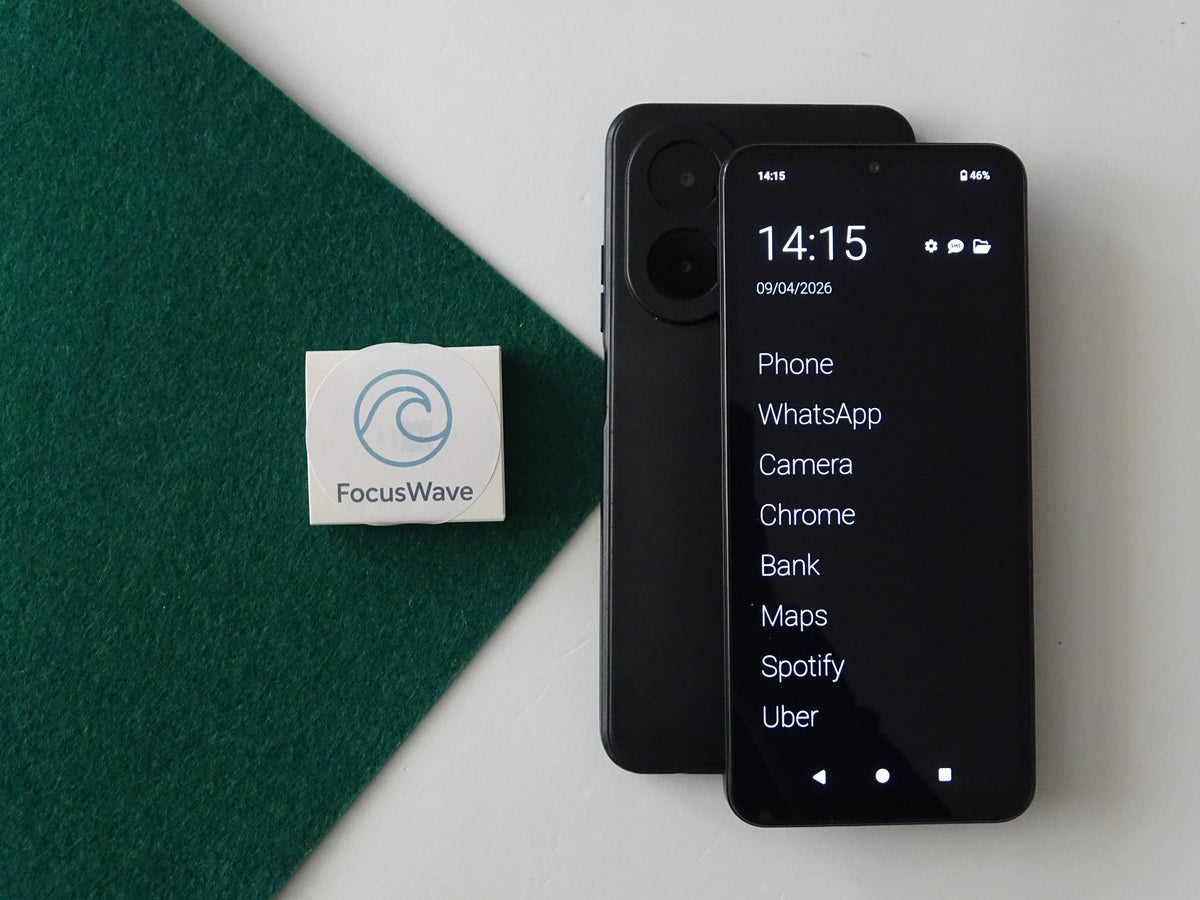
This is where FocusWave comes in . Instead of reverting to a completely "dumb" phone, FocusWave proposes an evolution: the FocusPhone, a device designed for digital minimalism but without sacrificing some modern functions necessary for normal life.
- It features its own software called FocusLauncher , designed to reduce usage time and avoid distractions.
- The user chooses which applications are truly important to him: calls, WhatsApp, banking, music… but social networks or addictive games are excluded by default.
- Security and customization: it's as secure as a conventional Android, but with an interface that prioritizes simplicity and purpose.
- Specific versions for different audiences: for seniors with emergency contact, for children or for businesses, with parental control or PIN lock in apps.

Clear mission: FocusWave's mission was born precisely from the digital overload its founders experienced and their desire to regain a healthier relationship with technology.